Why Successful Founders Need a Google Knowledge Panel

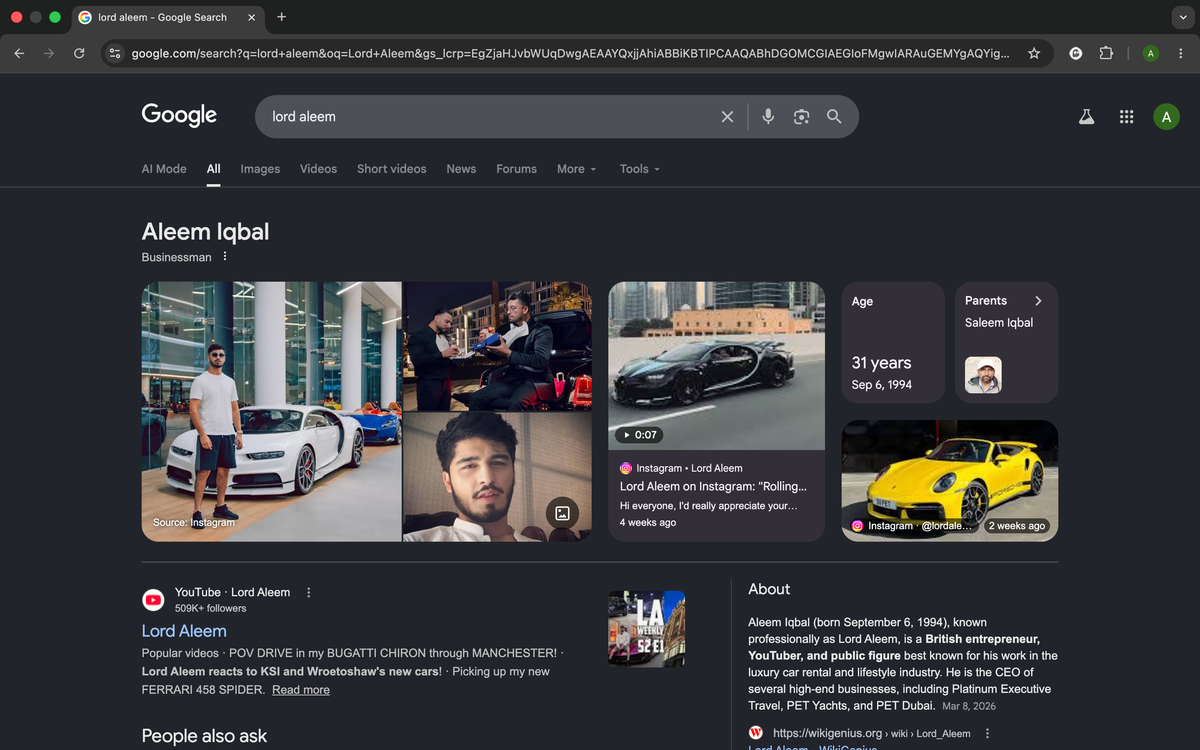
A Google Knowledge Panel has become one of the most visible markers of credibility for founders and business leaders, shaping how they are perceived long before any direct interaction takes place.
When someone searches a name on Google, the Knowledge Panel is often the first structured summary they see. It pulls information from verified and authoritative sources across the internet and presents it in a consolidated format — including professional role, associated organizations, and publicly available references.
For founders, that visibility now carries real-world implications. Investors, journalists, and potential partners frequently rely on search results as an initial credibility check. A structured panel reduces uncertainty by presenting a consistent identity drawn from multiple sources rather than scattered mentions across the web.
The impact is largely about trust efficiency. In high-stakes environments such as startups, venture funding, and media exposure, decision-making often begins with quick verification. A Knowledge Panel shortens that process by offering a clear reference point that signals established public recognition.
It also plays a role in information consistency. Without it, search results may display outdated profiles, incomplete biographies, or unrelated content. A Knowledge Panel does not eliminate discrepancies entirely, but it helps centralize authoritative data in a single location that users are more likely to rely on.
Unlike social media profiles or personal websites, Knowledge Panels are not directly controlled or edited by individuals in most cases. They are generated automatically by Google’s systems based on structured data signals, including coverage from reputable publications, official websites, and verified listings across the internet.
This makes the presence of a panel less about direct creation and more about digital footprint maturity. Founders who appear across credible sources with consistent information are more likely to trigger entity recognition within Google’s knowledge systems.
In competitive industries, that recognition can influence perception. When multiple founders present similar credentials, the one with a structured search presence often appears more established simply because their information is easier to verify at a glance.
The absence of a Knowledge Panel does not necessarily indicate a lack of achievement, but it can create a gap in how quickly credibility is established during first impressions.
As search technology continues to evolve toward entity-based understanding and AI-generated summaries, structured identity signals are becoming more important in how individuals are represented online. Google’s systems are increasingly designed to interpret entities rather than isolated keywords, making consistency across sources a key factor in visibility.
For founders, this shift means that online identity is no longer fragmented across platforms. It is being assembled into a unified profile through automated systems that prioritize verified and consistent data.
In that environment, a Google Knowledge Panel functions less as a branding tool and more as a reflection of how the digital ecosystem interprets authority.